

Word Nature Seasons
Mad Brain Games LTD
Word Nature Seasons is the kind of word game I open when I want something calm rather than competitive. Its basic idea is easy to understand: solve word puzzles while moving through nature-themed seasonal settings. That gentle presentation makes it a comfortable choice for a short break, a quiet evening, or a few minutes when I want to exercise my vocabulary without committing to a long session.
What makes it worth considering is the balance between a familiar word-game format and a more relaxed atmosphere. I do not come to it expecting a deep story, a demanding multiplayer contest, or a huge collection of complex rules. I come for the steady rhythm of looking at letters, spotting possible words, and making progress at my own pace. If that sounds like your kind of game, this review explains where it works well, how I would build a useful playing routine, and where its limits become noticeable.
How the basic puzzle routine feels in everyday use
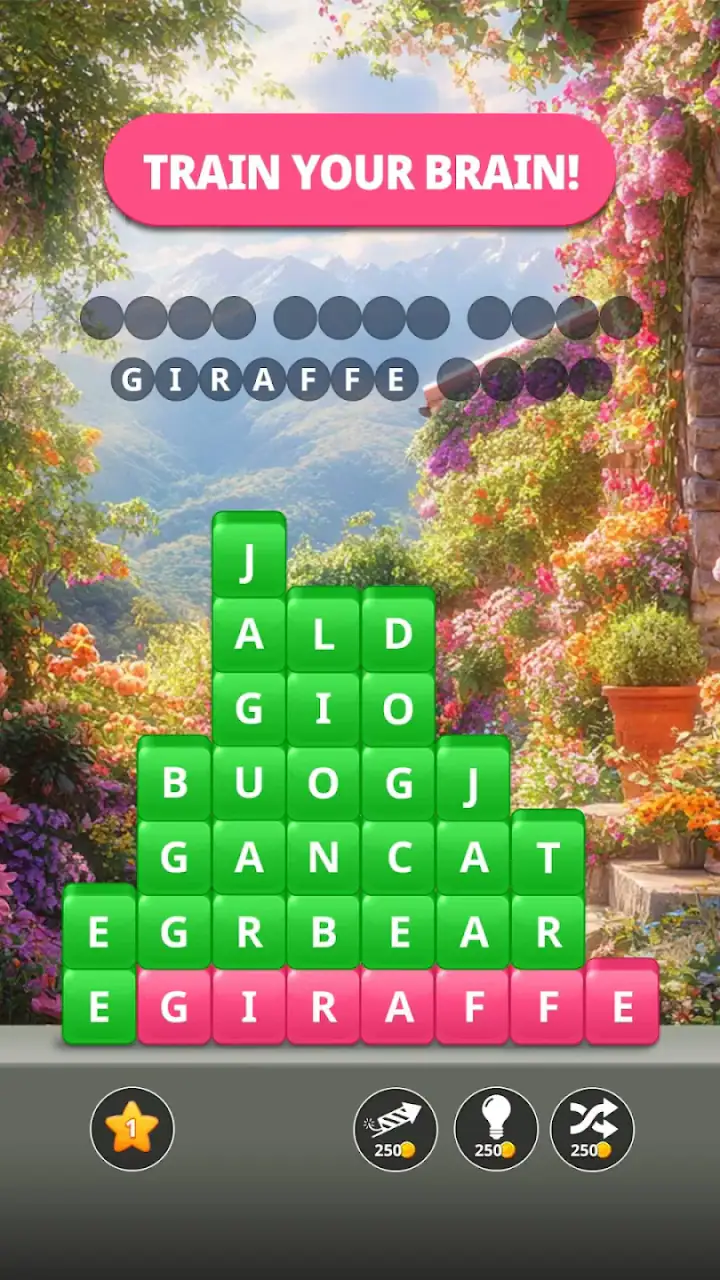
My normal session starts with one simple goal: clear the current word challenge without rushing. The nature theme gives the game a softer identity than a plain letter grid, but the real appeal is still the small satisfaction of finding a word that was not obvious at first. I usually scan for short, familiar combinations before looking for longer possibilities. That approach keeps the opening of each puzzle relaxed and gives me a sense of progress even when the more difficult answers take time.
The seasonal structure is useful because it gives the experience a feeling of movement. Instead of treating every puzzle as an isolated screen, I feel as though I am working through a changing collection of natural scenes. That matters for a casual game: visual variety can make repeated word solving feel less mechanical, especially when I return frequently and want something familiar but not completely flat.
I would describe the difficulty as best suited to players who enjoy thinking without pressure. It can still make me pause, rearrange letters mentally, and test less obvious vocabulary, but it does not present itself as an intense examination. That makes it approachable for someone who likes word games but does not want a timer dominating every decision. It is also a reasonable choice for a player who is rebuilding a daily reading or puzzle habit.
Related News






A realistic use case is a commute or waiting room. I can play one small portion, stop when I need to, and return later without feeling that I have abandoned a complicated campaign. The same routine works before bed, although I would keep the sound low and avoid turning a relaxing game into a late-night attempt to force one stubborn answer. Its strongest everyday quality is that it asks for attention in small amounts.
The game is free to start, which lowers the barrier for trying it. It is listed for Everyone, so its general presentation is accessible to a broad audience. Optional purchases range from forty-nine cents to ninety-nine dollars and ninety-nine cents per item, a very wide span that makes it sensible to look carefully at any purchase prompt before confirming it. I would treat the free experience as the first test: play long enough to decide whether the puzzle rhythm itself suits you rather than assuming extra spending is necessary.
On Android, it requires version ten or later. That is important if you are using an older phone or tablet, because the game may not be an option even though the word-play concept sounds lightweight. The current version is zero point twenty-six point zero, and the developer is Mad Brain Games LTD. Those details are useful when checking compatibility and making sure you are looking at the intended release.
Gallery
Settings I would check before settling into a routine
I always begin by checking the available sound and notification controls rather than leaving everything at its default. A relaxing puzzle game can become irritating if effects interrupt music, podcasts, or a quiet room. If the game offers separate controls for music and sound effects on your device, I would test both briefly and keep only what improves the experience. For short sessions, muted play is often the most practical option.
I also pay attention to how the game handles interruptions. A call, message, or accidental app switch should not turn a nearly finished puzzle into a frustrating restart. I make a habit of pausing deliberately before putting the phone away, especially when I am playing while waiting for something. This is not glamorous advice, but it prevents the common mistake of treating a casual game as though it will always preserve my exact place automatically.
Text visibility deserves a quick check as well. Word games depend on reading letters accurately, and decorative backgrounds can sometimes compete with the puzzle area. I prefer a display brightness and text size that let me distinguish similar letters without leaning toward the screen. If you usually play outdoors, test it in daylight before deciding whether the visual style is comfortable for longer sessions.
Because the game includes optional purchases, I would also review the purchase protections on the phone or tablet itself. This is especially worthwhile on a shared device or one used by children. The Everyone rating speaks to the broad content level, but it does not remove the need for sensible purchase controls. I would rather set those protections once than deal with an accidental confirmation later.
Another useful habit is to decide when hints are genuinely helping. If the game provides assistance during a difficult puzzle, I would avoid using it immediately after getting stuck. First, I scan the letters again, look for common endings, and try changing the order in which I search. A hint is more valuable after a real attempt because it teaches me what I overlooked; using it too early can turn the game into a sequence of taps instead of a word exercise.
Faster solving patterns that do not remove the fun
My most reliable approach is a two-pass scan. On the first pass, I look for obvious short words and familiar word endings. On the second, I examine the remaining letters for longer combinations or less common arrangements. This is faster than staring at the entire puzzle without a plan, and it keeps me from wasting time repeatedly trying the same arrangement.
I also separate recognition from spelling. Sometimes I know the general shape of a word but hesitate over its exact letters. In that situation, I mentally say the word, check each available letter, and then try it once. This small pause reduces random tapping and makes the solving process feel more deliberate. It is particularly useful when several possible answers share the same beginning or ending.
When I get stuck, I change the visual starting point instead of simply trying harder. I may begin with the least common letter, inspect repeated letters, or search for a likely suffix. That change of angle often reveals a word that was hidden by my first assumption. It is a transferable habit for other word puzzles too, but the calm pacing here gives me room to use it without feeling punished for a slow answer.
I would not recommend chasing every possible word just because it might be accepted. The better routine is to focus on the puzzle’s actual target and use the theme as a reason to keep progressing, not as an excuse to overwork one screen. If I am no longer enjoying the search, I stop and return later. A word game loses much of its value when I turn a relaxing break into a test of stubbornness.
For players who want a repeatable daily habit, I suggest setting a small session boundary rather than a fixed performance target. For example, I might play until I finish a natural stopping point, then put the phone down. This keeps the game from expanding into unplanned screen time. It also makes returning more appealing because I associate it with a manageable break instead of an obligation to clear everything immediately.
Experienced players may be tempted to optimize every move, but I think the seasonal presentation works best when I leave room for discovery. The game’s appeal is not only whether I can solve a puzzle quickly. It is also the quiet combination of visual atmosphere, word recognition, and gradual progress. A faster pattern should make the experience smoother, not strip away the small moment of satisfaction when an answer finally appears.
Where the design reaches its limits
The biggest limitation is that this is still a focused word-puzzle game. If you want a story with character development, strategic battles, social competition, or a large set of radically different mini-games, this will probably feel narrow. Its seasonal nature themes change the mood and presentation, but they do not transform the core activity into something outside the word-game category.
Players who prefer hard competition may also find the relaxed approach too gentle. There is no reason to expect the same pressure as a timed head-to-head word match, and that is both a strength and a weakness. I appreciate the absence of urgency when I am tired, but I would choose a more competitive alternative when I want rankings, direct opponents, or a clear performance challenge.
The purchase range is another point where I would stay attentive. A free entry point is welcome, but the presence of items reaching ninety-nine dollars and ninety-nine cents means I would not tap through purchase screens casually. The right choice depends on how the game presents its optional content during play. For me, the safest approach is to enjoy the core loop first and spend only if a particular addition clearly improves my experience.
There is also a trade-off between accessibility and depth. A game that is easy to start can become repetitive for advanced word-game fans who want unusual rules or increasingly technical challenges. Word Nature Seasons is more appealing when I value atmosphere and steady solving over exhaustive vocabulary training. If your main goal is to learn definitions, study a language, or compete at a high level, a specialized educational or competitive tool may serve you better.
The compatibility requirement should be part of the decision too. Anyone using Android below version ten should check the device before planning around the game. For supported devices, the relatively simple concept should be easy to understand, but the quality of a session can still depend on screen comfort, notification control, and how carefully I handle optional purchases.
Who I would recommend it to
I would recommend this game to casual puzzle players who enjoy arranging letters and want a peaceful setting around that activity. It is a particularly good fit for someone who likes short, repeatable sessions, seasonal visuals, and progress that does not demand constant concentration. It can also suit families looking for an Everyone-rated word game, provided an adult manages purchase settings on a shared device.
I would be more cautious about recommending it to players who need a strong sense of novelty in every session. The central action remains word solving, so the long-term appeal depends on whether that loop continues to feel satisfying. I would also point competitive players toward a game built around timers, head-to-head matches, or leaderboards if those features are the main reason they play word games.
The rating is a promising sign of how the game has been received, with an average of four point nine from around two thousand six hundred ratings. It has also passed one hundred thousand installs, which suggests that it has found an audience beyond a tiny group of early users. I would still treat those figures as context rather than a guarantee: my own enjoyment depends more on whether the calm seasonal format matches my preferred way to play.
Since its release on September fourteenth, two thousand twenty-four, the game has established a clear identity around nature and word puzzles. I like that it does not pretend to be something more complicated than it is. The best way to approach it is as a focused relaxation game with enough structure to encourage regular play, not as a complete replacement for every other kind of word challenge.
My verdict after building a repeatable habit
After using the two-pass scan, adjusting the environment for comfortable reading, and treating hints and purchases with restraint, I find the game easiest to appreciate as a quiet daily companion. Its strength is consistency. I can open it for a brief puzzle, enjoy the nature-themed setting, and leave without needing to remember a complicated system. That simplicity is intentional, and for the right player it is exactly the point.
My main recommendation is to judge the puzzle rhythm before judging the extras. Play the free portion, try it in the situations where you normally use a word game, and notice whether the seasonal presentation makes you want to return. If you enjoy the basic search for words, the surrounding theme adds welcome comfort. If the core solving already feels repetitive, additional content is unlikely to change your opinion completely.
In the crowded world of mobile word games, Word Nature Seasons stands out less through intensity than through mood. It is not my first pick for competition, serious vocabulary study, or elaborate gameplay. It is the one I would suggest to a friend who wants a gentle word puzzle with a nature-inspired atmosphere and a low-pressure routine. With sensible settings and careful spending, Word Nature Seasons is an easygoing free game that earns its place on a phone when relaxation matters as much as solving the next word.
FAQs for Word Nature Seasons
What is Word Nature Seasons?
Word Nature Seasons is a relaxing word puzzle game that combines vocabulary challenges with scenic nature-themed settings. Players form words from available letters, complete level objectives, and progress through seasonal environments. The game is designed for casual play, making it suitable for short sessions, although later puzzles may require more concentration and a broader vocabulary.
How do you play Word Nature Seasons?
Gameplay generally involves connecting or selecting letters to create valid words and solve each puzzle. Completing a level usually unlocks the next stage, while optional challenges may reward extra coins or bonuses. The early puzzles are straightforward and help explain the controls, but difficulty gradually increases as boards include more letters, longer answers, and less obvious word combinations.
Can Word Nature Seasons be played offline?
Many of the core word puzzles can typically be enjoyed without a constant internet connection, which is useful when traveling or playing where mobile data is unavailable. However, features such as advertisements, cloud synchronization, event content, rewards, or in-app purchases may require internet access. Availability can also depend on the version installed and the device platform.
Is Word Nature Seasons free to download and play?
Word Nature Seasons is generally available as a free download, allowing players to begin solving puzzles without paying upfront. Like many casual mobile games, it may include advertising and optional in-app purchases for coins, hints, or other conveniences. You can usually progress without spending money, although purchases may reduce waiting or help with particularly difficult levels.
Is Word Nature Seasons suitable for children?
The game is generally appropriate for players who enjoy word puzzles and calm, non-violent gameplay. Its suitability for younger children depends on their reading ability, vocabulary, and tolerance for advertisements or optional purchases. Parents should review the store listing, privacy information, and device purchase settings before installation, especially if children will play without direct supervision.
Pros
- Relaxing word puzzles suitable for short daily sessions.
- Seasonal themes add visual variety and a pleasant atmosphere.
- Simple controls make it accessible for casual players.
- Gradual difficulty provides a steady sense of progression.
- Offline play is useful when traveling or without a connection.
Cons
- Some levels may feel repetitive after extended play.
- Hints can become limited unless earned or purchased.
- Ads may interrupt the flow between puzzle rounds.
- Later puzzles can rely on trial and repeated guessing.
- The game offers limited appeal for players seeking competition.


